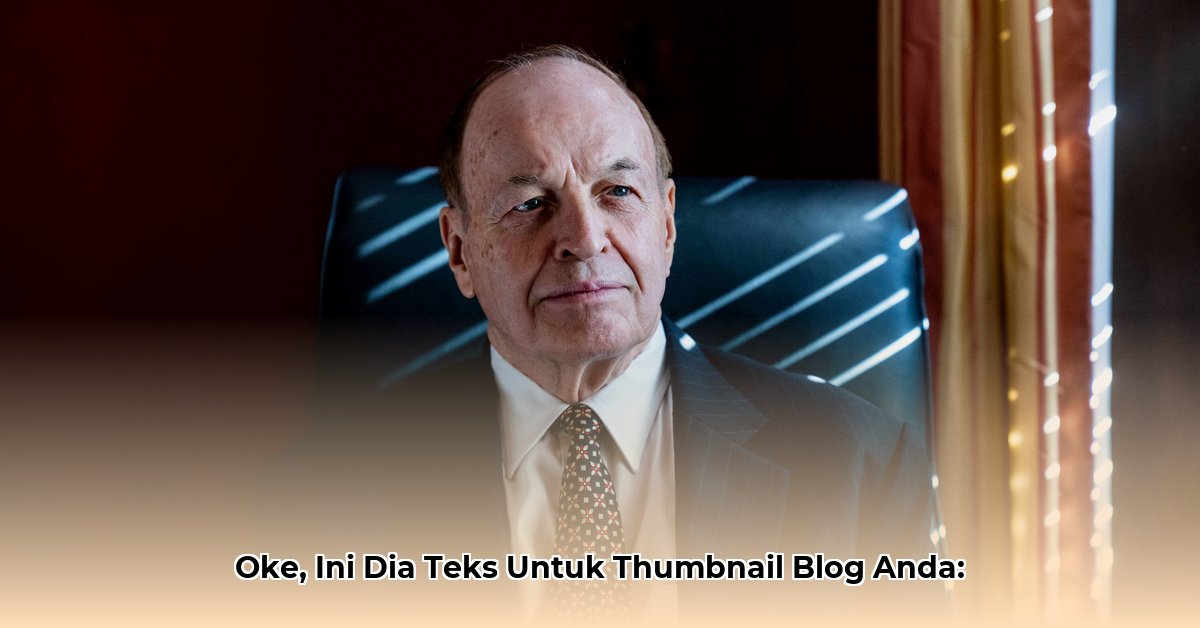
Unveiling Richard Shelby's Net Worth: Political Power & Financial Success Explained
August 24, 2025 · 5 min · 885 words · Georgina Sanders
# Unveiling Richard Shelby's Net Worth: Political Power & Financial Success Explained

Ever heard of Richard Shelby? He was a prominent figure in Alabama politics for years, transitioning from Democrat to Republican and becoming a powerful senator. But have you ever considered his net worth accumulated during his time in office? Experts estimate it to be around $20 million! This article explores the potential sources of his wealth, examining how his political decisions, such as changing parties, and influential committee positions, like those in banking and appropriations, might have played a role. We'll delve into how his career and choices led to financial success, including the honor of having Shelby Hall named after him. Let's uncover the story of Richard Shelby's financial journey as a public servant.

## Richard Shelby Net Worth: Deciphering Political Influence and Financial Accumulation

Richard Shelby, a long-standing fixture in Alabama politics, is known for his lengthy career and substantial fortune. How did Shelby, who began as a city prosecutor in Tuscaloosa, amass an estimated [richard shelby net worth] of around $20 million? Let's delve into the contributing factors to understand the dynamics of political influence and financial accumulation.

### Early Career and a Glimpse of the Future

Shelby's career started within the Democratic party. After serving as a city prosecutor, he progressed to the Alabama State Senate, and subsequently, the U.S. House of Representatives. Notably, he aligned with President Reagan, a Republican, on defense issues, reflecting the "boll weevil" phenomenon of conservative Democrats occasionally crossing party lines. The pivotal year of 1994 brought significant changes.

Want to understand other politicians wealth? Some say [similar stories exist](https://duo-umbrella-shark-tank-net-worth.pages.dev).

### The Pivotal Switch: A Career-Defining Transition

The political landscape underwent a seismic shift in 1994. The "Republican Revolution," marked by a surge of Republican victories, swept the nation. During this period, Shelby made the decisive move to switch parties, becoming a Republican.

This decision carried profound implications as it effectively secured the Republican party's majority in the Senate, solidifying their power. This transformation mirrors the evolving political alignment of the South. Did this party switch impact his career trajectory, potentially opening doors to new opportunities and subsequently influencing his financial standing? It seems highly probable.

### Influence in Legislative Decision-Making: Committee Assignments

Shelby's committee assignments gave him access to the center of financial and legislative decision-making. He held positions on influential committees, including the Senate Committee on Banking, Housing, and Urban Affairs, the Appropriations Committee, and the Special Committee on Aging. These assignments underscore his influence within the Senate and his deep involvement in shaping key policies. How much did his power on these committees increase his financial stability?

Let's examine the importance of these assignments:

*   Senate Committee on Banking, Housing, and Urban Affairs: This committee oversees the banking sector, housing policies, and urban development initiatives. Membership on this committee likely provided Shelby with valuable insights into the financial sector and real estate markets.
*   Appropriations Committee: The Appropriations Committee controls federal spending, making it one of the most powerful in Congress. Membership grants significant influence over government spending priorities, potentially directing funds to benefit his state or personal interests (though direct benefit would be unethical).
*   Special Committee on Aging: While focused on issues affecting older Americans, including financial security and healthcare, this committee's work may have indirect impacts on broader economic policies.

Did these high-profile roles directly impact Shelby's [richard shelby net worth]? While definitive conclusions are challenging to draw, some experts suggest that shaping financial policies and government spending can indirectly benefit a politician's personal finances through various avenues. These positions offer access to knowledge and connections unavailable to the general public. With the knowledge gained, it's hard not to wonder if he had information that helped his investment decisions.

### Breaking Down the $20 Million Estimate: Sources of Wealth

According to estimates from Celebrity Net Worth, Shelby's fortune is estimated at around $20 million. How accurate is this figure? Net worth estimations offer a general idea of someone's financial standing, even if not precise. It's suggested that his long career in public service, combined with astute financial decisions, contributed to his wealth. What were the details of these decisions?

How does a senator accumulate such a substantial sum, even with a long and successful career? Did he make savvy investments or venture into real estate? While specific details are unclear, it's likely a combination of factors.

Senators earn a significant salary; the annual salary for most U.S. senators was $174,000 as of 2023. Over decades of service, that income, if managed effectively, can contribute to a sizable nest egg.

### Beyond Financial Measures: Shelby's Enduring Legacy

Shelby's legacy extends beyond financial considerations. Buildings in Alabama bear his name, symbolizing his contributions to the state. He successfully navigated the complexities of politics, switching parties and remaining influential for decades.

His story leads to thought-provoking questions:

*   What is the extent of political power's influence on financial success, directly or indirectly?
*   Where does the boundary lie between public service and personal wealth accumulation? Are there any potential conflicts of interest?

Shelby's career offers valuable insights for those interested in politics, finance, and their intersection. His decisions continue to shape the political landscape today. Did all this experience give him greater access and power than those of the common citizen?